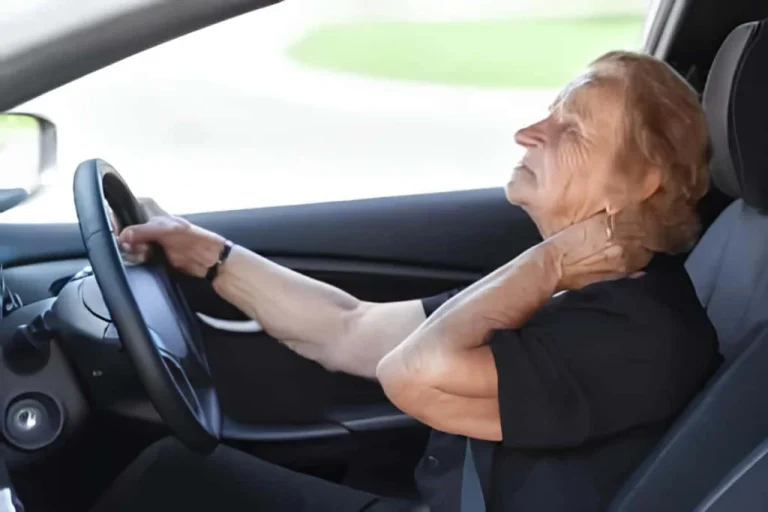
Is driving experience enough to guarantee road safety for seniors? This sensitive and complex question sparks debate and reignites the discussion on the balance between individual freedom and risk prevention. It’s a topic that deserves careful consideration.
Driving after 65: should controls be strengthened?
In France, unlike some other European countries, no medical examination is required for aging drivers. Yet, as the years go by, our abilities change: vision becomes less sharp, hearing diminishes, and our movements sometimes lose their agility. It’s comparable to a seasoned violinist whose instrument requires more frequent adjustments : the skill is there, but performance demands more attention.
Statistics show that drivers in their seventies are involved in just as many accidents as younger drivers. This data raises a crucial question: how can we reconcile road safety and the mobility of older people?
A regulatory framework that needs updating?
Several age-related factors can influence driving quality:
- A less clear vision, particularly in low light conditions .
- Increased reaction times in the face of unforeseen situations.
- An assessment of distances that can become less precise.
- The potential impact of certain treatments on alertness.
However, except in specific cases, no systematic checks are planned to assess these abilities with advancing age.