After the soaking period, carefully remove the drip pans from the solution. You’ll notice that much of the black residue has already loosened from the surface. Rinse the pans under warm running water, using your fingers or a soft cloth to wipe away any remaining gunk.
It’s incredibly satisfying to watch the blackened residue slide off the pans with little to no effort. The pans emerge from the rinse looking almost brand new, with a shine that seemed impossible to achieve just a day before.
8. Stubborn Spots? The Gentle Touch-Up My Dad Recommends
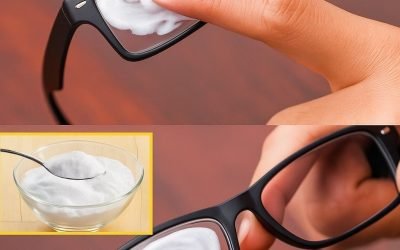
Occasionally, there may be a few stubborn spots that didn’t completely dissolve during the soak. For these, my dad recommends a gentle touch-up using a soft sponge or cloth. Lightly scrub the areas with a paste made from baking soda and a few drops of water.
Apply the paste to the spot, let it sit for a few minutes, and then gently scrub in a circular motion. This should lift any remaining residue without scratching the metal surface. Once satisfied, give the pan a final rinse to remove any paste residue.
9. Why This Trick Works On Metal Without Damaging It
The secret to this method’s success lies in the chemistry between vinegar and baking soda. Vinegar’s acidity helps break down the grease and charred food, while baking soda’s mild abrasiveness lifts the loosened particles without scratching the metal.
Unlike harsh chemical cleaners, this solution is gentle on metal surfaces, preventing any pitting or corrosion. This makes it an ideal choice for maintaining the longevity and appearance of your stove drip pans.
10. How Often To Do This To Keep Drip Pans Looking New
Don’t Miss The Rest! Press Next Button Below To Continue Reading.