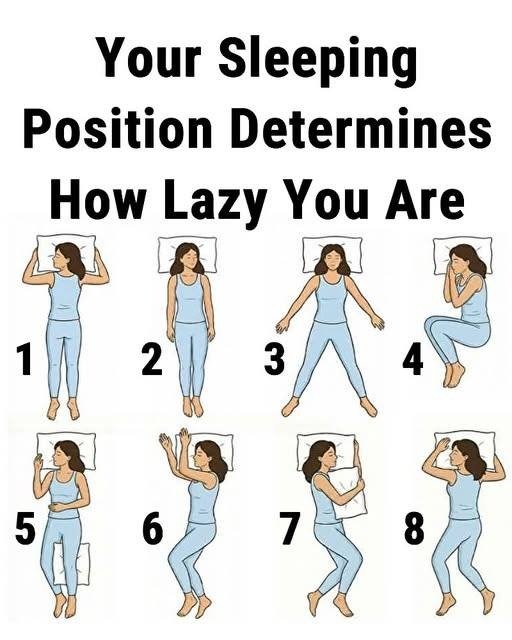
First Things First: Sleep Position ≠ Laziness
Laziness isn’t something that can be diagnosed by how you sleep. In fact, sleep position is influenced by a constellation of factors:
Physical comfort and body structure
Habit, routine, and learned behaviors
Health conditions (like back pain, sleep apnea, or pregnancy)
Stress levels, emotional state, and sleep environment
While your sleep style might offer small clues about preferences or tendencies, it doesn’t define your motivation, work ethic, creativity, or energy levels. Sleep is a state of restoration—not a personality audit.
Common Sleep Positions & What Research Suggests They May Reflect
1. The Fetal Position (Curled Up on Your Side)
One of the most common sleeping postures worldwide.
What it may suggest:
A preference for comfort, security, or emotional grounding
Sensitivity or heightened awareness of surroundings
A natural response to stress or the need for self-soothing
The myth: Some claim this “passive” posture signals laziness.
The reality: It’s simply a cozy, protective position many bodies find naturally relaxing—especially after long days.
2. The Log Position (Straight on Your Side, Arms Down)
Don’t Miss The Rest! Press Next Button Below To Continue Reading.