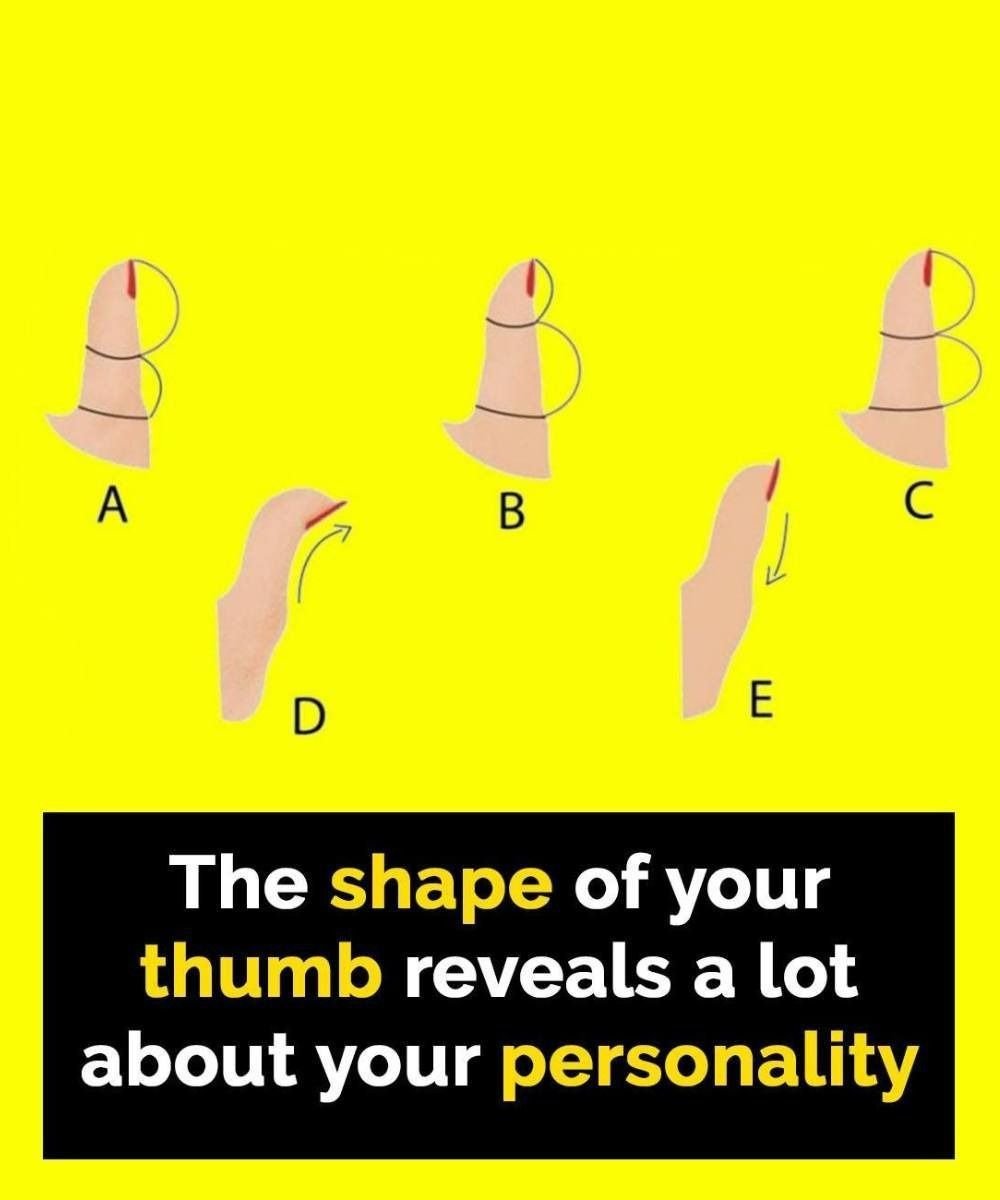
The Thumb Test
In psychology, the thumb can be used in various personality assessments. One common test involves asking individuals to observe their thumbs and interpret their characteristics:
- Thumb Position: How you hold your thumb can indicate your level of confidence. A thumb that points straight up may suggest self-assuredness, while a thumb that curves inward might indicate self-doubt.
- Thumb Dominance: The dominant thumb can also reveal aspects of your personality. For example, a dominant thumb may suggest leadership qualities, while a non-dominant thumb could indicate a more passive personality.
The Thumb and Emotions
The thumb can also reflect emotional states. For instance, when people are anxious or nervous, they may unconsciously fidget with their thumbs. This behavior can be indicative of stress or discomfort in social situations.
Cultural Symbolism of the Thumb
Thumbs Up and Thumbs Down
In many cultures, the thumb has become a symbol of approval or disapproval:
- Thumbs Up: This gesture signifies positivity, success, or agreement in many cultures. It is often used to convey encouragement or support.
- Thumbs Down: Conversely, a thumbs-down gesture is universally understood as a sign of disapproval or rejection.
Mythology and Folklore
Don’t Miss The Rest! Press Next Button Below To Continue Reading 🔜🔜
Don’t Miss The Rest! Press Next Button Below To Continue Reading.